
From Zero Online Presence to Fully Booked Auto Detailing Business Through Website Redesign
For many auto detailers, exceptional hands-on skill does not automatically translate into consistent bookings. This case study explores how a small auto detailing business moved from near invisibility online to a fully booked schedule after a strategic website redesign. The primary keyword, website redesign case study for auto detailers, frames the journey of transformation, focusing on real operational challenges, digital trust gaps, and the tangible impact of a purpose-built website. Within the first few months of relaunch, the business experienced a shift in lead quality, customer confidence, and booking frequency that reshaped its growth trajectory.
The Starting Point: A Business Invisible to Online Customers
Before the redesign, the detailing business relied almost entirely on word-of-mouth referrals and sporadic social media posts. There was no structured digital presence, no consistent branding, and no clear value proposition communicated online. Potential customers searching locally for detailing services encountered competitors with polished websites, transparent pricing, and clear service explanations. The lack of a professional site created immediate doubt, even though the business itself delivered high-quality work. This gap between service quality and digital perception was the central problem the redesign needed to address.
Understanding Why Auto Detailers Lose Online Leads
Auto detailing is a trust-driven service. Customers hand over valuable assets and expect visible, professional results. Without a credible website, prospects hesitate to make contact or request quotes. In this case, analytics showed that users who did land on the old site left within seconds due to slow loading times, unclear navigation, and missing calls to action. The business owner initially assumed low traffic was the issue, but deeper analysis revealed that poor conversion and credibility were the real bottlenecks limiting growth.
Defining Clear Goals for the Website Redesign
The redesign process began with setting measurable goals tied directly to business outcomes. The objective was not just to create a visually appealing site, but to convert visitors into booked appointments. Key goals included improving local search visibility, establishing authority through service clarity, and streamlining the booking process. The redesign also aimed to position the business as a premium local provider rather than a low-cost option, aligning online messaging with the actual quality of work delivered offline.
Research and Competitive Analysis in the Detailing Niche
A detailed review of competing auto detailing websites revealed common weaknesses and opportunities. Many competitors either overloaded pages with generic text or relied too heavily on image galleries without context. The redesign strategy focused on clarity, structure, and customer psychology. By analyzing what top-performing detailing sites did well, the project identified essential elements such as trust signals, before-and-after storytelling, and localized service pages. These insights guided the new site architecture and content hierarchy.
Building Trust Through Strategic Design Choices
Design decisions were driven by how customers evaluate service credibility online. Clean layouts, consistent color schemes, and professional typography helped establish legitimacy instantly. High-resolution images were used selectively to showcase real work rather than stock photos. Testimonials were placed near service descriptions to reinforce confidence at decision points. The redesign emphasized that visual professionalism directly influences whether a visitor believes the business is capable of handling their vehicle with care.
Content That Speaks to Customer Intent
One of the most significant changes was the shift from vague service descriptions to intent-driven content. Each service page answered specific customer questions about process, time, and results. Instead of listing services generically, the content explained benefits and outcomes in plain language. This approach reduced uncertainty and positioned the business as transparent and customer-focused. The clarity of messaging played a major role in increasing inquiry rates after the redesign.
Local SEO Foundations Built Into the Website
Local visibility was a priority from the outset. The redesigned website incorporated location-based language naturally, ensuring relevance for nearby searches without keyword stuffing. Structured data, optimized metadata, and consistent business information helped search engines understand the service area. As a result, the site began appearing more frequently in local search results, driving highly qualified traffic. These visitors were already looking for detailing services, making them more likely to convert.
Conversion-Focused Structure and User Flow
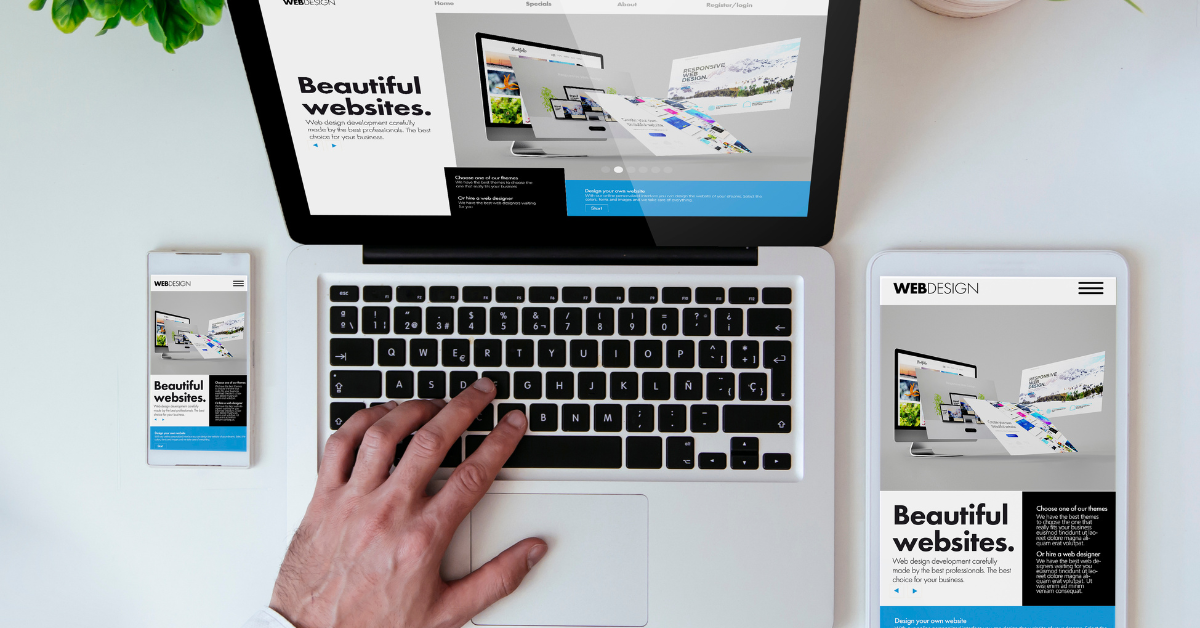
The new website was built around a logical user journey. Visitors could quickly understand what services were offered, who they were for, and how to book. Calls to action were clear but not aggressive, encouraging contact without pressure. Mobile responsiveness ensured usability across devices, which was critical since a large portion of visitors searched on phones. The improved flow reduced friction and made it easier for customers to take the next step.
The Role of a Specialized Detailing Website Designer
A key factor in the success of this project was working with a professional who understood the auto detailing industry. Choosing a specialized detailing website designer ensured that design and content decisions aligned with customer expectations specific to detailing services. Industry familiarity allowed the redesign to avoid generic layouts and instead focus on elements proven to convert detailing prospects. This specialization shortened the feedback loop and resulted in a site that felt authentic to the business.
Measuring Results After Launch
Within weeks of launching the redesigned site, the business began seeing measurable improvements. Inquiry forms were submitted consistently, phone calls increased, and booking requests became more specific and informed. Customers referenced website content during conversations, indicating higher engagement and trust. Importantly, the business no longer needed to chase leads aggressively; instead, qualified customers reached out already convinced of the value offered.
Increased Booking Consistency and Revenue Stability
As the website gained traction, the business achieved something it had never experienced before: predictable bookings. The calendar filled weeks in advance, allowing for better scheduling and resource planning. This stability reduced reliance on discounts and last-minute promotions. The owner reported higher average ticket values, as customers selecting services online were more informed and confident in premium options presented on the site.

Lessons Learned From the Redesign Process
This website redesign case study for auto detailers highlights several critical lessons. First, online presence is not optional in a competitive local service market. Second, design without strategy fails to deliver results. Finally, clarity and trust outperform flashy visuals when it comes to service-based conversions. The project demonstrated that even small detailing businesses can compete effectively when their digital presence accurately reflects their service quality.
Why Website Quality Outperforms Quantity of Traffic
One of the most revealing outcomes was that traffic volume mattered less than traffic intent. The redesigned website did not immediately attract massive visitor numbers, but the visitors it did attract were highly qualified. This reinforced the idea that a well-structured site can outperform larger but poorly optimized platforms. By focusing on conversion rather than vanity metrics, the business achieved sustainable growth without increased advertising spend.
Long-Term Impact on Brand Perception
Beyond bookings, the redesigned website reshaped how the business was perceived locally. Customers viewed the brand as established, professional, and trustworthy. Partnerships with local dealerships and repeat customers increased as the online presence reinforced offline reputation. The website became a central asset rather than a passive brochure, supporting both marketing and operations.
Choosing the Right Partner for Sustainable Growth
The success of this transformation underscores the importance of selecting a partner who understands both design and business outcomes. Working with an detailing website designer who focuses on conversion, local SEO, and industry-specific needs can dramatically shorten the path to growth. For auto detailers aiming to move from inconsistent leads to full booking schedules, a strategic website redesign is not just an upgrade but a foundational investment.
Final Thoughts on Digital Transformation for Auto Detailers
This case study proves that going from zero online presence to fully booked is achievable with the right approach. A website redesign rooted in strategy, trust, and customer psychology can unlock demand that already exists in the market. For auto detailers struggling with visibility or inconsistent leads, the solution may not be more advertising, but a website that finally works as hard as they do.