
Understanding Exhaust System Types and Their Purpose
Exhaust System Types play a critical role in how a vehicle performs, sounds, and complies with emissions standards. Each type is designed with specific goals in mind, such as improving airflow, reducing noise, enhancing fuel efficiency, or increasing engine output. While many drivers see exhaust systems as a single component, they are actually tailored configurations that affect backpressure, heat dissipation, and overall engine behavior.
Choosing the correct exhaust system type is not just about performance upgrades. It also influences long-term reliability, maintenance costs, and driving comfort. Understanding the differences allows vehicle owners to make informed decisions based on their driving habits, engine design, and legal requirements rather than marketing claims or aesthetics alone.
How Exhaust System Design Affects Engine Behavior
The design of an exhaust system determines how efficiently exhaust gases exit the engine. Poorly designed systems restrict flow, forcing the engine to work harder during the exhaust stroke. This leads to power loss, increased fuel consumption, and higher operating temperatures. Conversely, overly free-flowing systems can reduce necessary backpressure, negatively impacting low-end torque.
Different exhaust system types strike different balances between restriction and flow. Engineers carefully calculate pipe diameter, bends, and component placement to optimize performance for specific engine configurations. This is why exhaust systems vary significantly between economy cars, performance vehicles, trucks, and heavy-duty applications.
Single Exhaust Systems and Their Practical Advantages
Single exhaust systems are the most common configuration found in passenger vehicles. They use one exhaust pipe to route gases from the engine through the catalytic converter, muffler, and tailpipe. This design prioritizes simplicity, cost-effectiveness, and ease of maintenance.
For daily-driven vehicles with modest power output, single exhaust systems provide adequate performance and excellent reliability. They are lighter than more complex systems and easier to service. While they do not deliver maximum airflow, their balanced design supports fuel efficiency and emissions compliance, making them ideal for commuters and family vehicles.
Dual Exhaust Systems for Balanced Performance
Dual exhaust systems use two separate exhaust paths, typically one for each bank of cylinders in V-shaped engines. This configuration reduces exhaust restriction and improves scavenging, allowing the engine to breathe more efficiently. The result is improved horsepower, smoother power delivery, and a deeper exhaust tone.
However, dual systems are more complex and heavier than single setups. They require additional components and precise alignment to function correctly. For vehicles with higher power demands, especially V6 and V8 engines, dual exhaust systems provide tangible performance benefits when designed and installed properly.
Cat-Back Exhaust Systems Explained
Cat-back exhaust systems replace all components from the catalytic converter to the exhaust tip. This type of system is popular because it improves airflow and sound without interfering with emissions-controlled components. Installation is relatively straightforward, making it a common upgrade for enthusiasts.
Cat-back systems often use larger-diameter piping and less restrictive mufflers. While gains in horsepower are typically modest, drivers benefit from improved throttle response and a more refined exhaust note. Because emissions equipment remains untouched, cat-back systems are generally legal and inspection-friendly in most regions.
Axle-Back Exhaust Systems and Their Use Cases
Axle-back exhaust systems replace only the components behind the rear axle, usually the muffler and exhaust tips. This type focuses primarily on altering sound rather than performance. Because airflow changes are minimal, power gains are typically negligible.
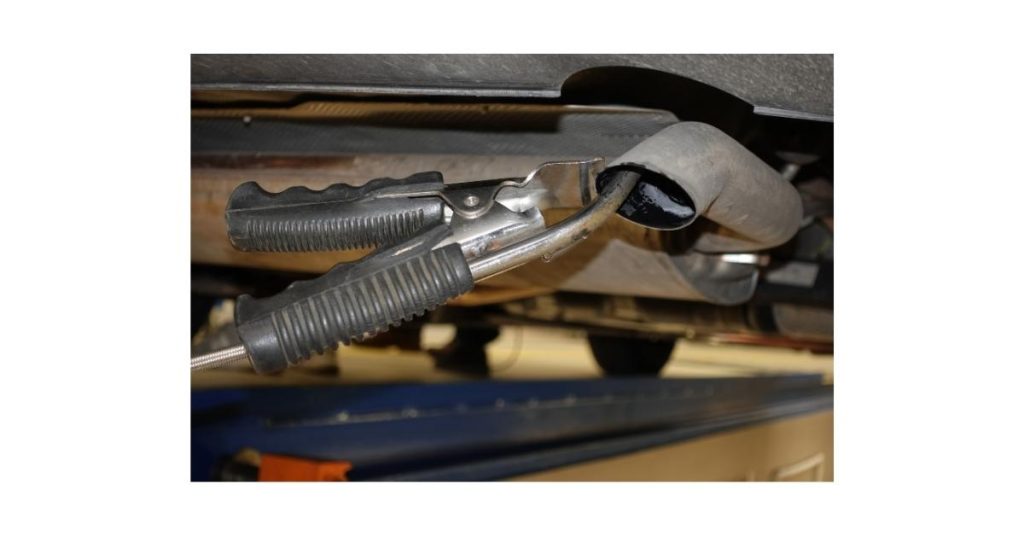
Axle-back systems are popular among drivers who want a sportier exhaust tone without major modifications. They are cost-effective, easy to install, and reversible. For daily drivers seeking a subtle change in character, axle-back setups offer a practical balance between customization and reliability.
Header-Back Exhaust Systems for Maximum Flow
Header-back exhaust systems replace the entire exhaust system from the exhaust headers to the tailpipes. This configuration offers the greatest potential for performance gains, as it eliminates nearly all factory restrictions. It is typically used in high-performance or racing applications.
While header-back systems maximize airflow, they also require careful tuning to maintain proper air-fuel ratios. They are more expensive and may not be street-legal in all areas due to emissions regulations. This type of system is best suited for experienced enthusiasts who understand the implications of extensive exhaust modifications.
Performance Exhaust Systems vs Stock Configurations
Performance exhaust systems are designed to enhance airflow and reduce backpressure compared to stock setups. They often use mandrel-bent pipes, high-flow mufflers, and lightweight materials. These features contribute to improved engine efficiency and a more aggressive sound profile.
Stock exhaust systems prioritize quiet operation, durability, and emissions compliance. While they may limit peak performance, they offer excellent longevity and minimal maintenance. The choice between performance and stock configurations depends on driving goals, regulatory considerations, and willingness to manage increased noise or maintenance.
Exhaust System Types Based on Vehicle Application
Different vehicles require different exhaust system designs. Compact cars benefit from lightweight, restrictive systems that support fuel efficiency. Performance cars use freer-flowing systems to maximize horsepower. Trucks and SUVs often use heavy-duty exhaust systems designed to handle towing loads and higher exhaust temperatures.
Diesel engines require specialized exhaust systems to manage particulate filters and additional emissions equipment. Understanding application-specific requirements ensures compatibility and prevents costly installation errors. Matching the exhaust system type to vehicle purpose is essential for optimal results.
Materials Used Across Different Exhaust System Types
Material choice significantly impacts durability and cost. Aluminized steel is widely used due to its corrosion resistance and affordability. Stainless steel offers superior longevity and is preferred for performance and premium applications. Mild steel is inexpensive but prone to rust, especially in harsh climates.
Higher-quality materials improve resistance to heat cycles and road salt. When selecting among exhaust system types, material quality should be considered alongside design, as it directly affects service life and long-term maintenance costs.
Impact of Exhaust System Types on Fuel Efficiency
Exhaust system efficiency directly affects fuel consumption. Systems that allow smooth exhaust flow reduce pumping losses, improving engine efficiency. However, overly aggressive systems can disrupt engine tuning, leading to inefficient combustion.
Well-matched exhaust system types maintain proper backpressure while minimizing restriction. This balance supports consistent fuel delivery and optimal combustion, resulting in stable fuel economy. Proper selection prevents performance losses disguised as upgrades.
Sound Characteristics Across Different Exhaust Systems
Sound is one of the most noticeable differences between exhaust system types. Single systems are typically quiet and refined. Dual systems produce deeper tones. Performance systems introduce louder, more aggressive notes depending on muffler design and pipe diameter.
Resonators play a key role in controlling drone and unwanted frequencies. Choosing a system with proper sound tuning ensures comfort during long drives while delivering the desired auditory character. Sound quality should always be balanced with practicality.
Legal Considerations When Choosing Exhaust System Types
Emissions and noise regulations heavily influence exhaust system choices. Removing or modifying emissions-controlled components is illegal in many regions. Even sound levels are regulated, with fines or inspection failures possible for non-compliant systems.
When selecting among exhaust system types, legality should be confirmed before installation. Systems that retain catalytic converters and meet noise limits provide peace of mind while still offering performance or sound improvements.
Maintenance Requirements for Different Exhaust Systems
Maintenance needs vary by exhaust system type. Stock systems require minimal attention beyond periodic inspections. Performance systems may need more frequent checks due to increased heat and vibration. Welds, clamps, and hangers should be inspected regularly.
Higher-quality materials reduce maintenance frequency. Proper installation also minimizes premature wear. Understanding maintenance expectations helps vehicle owners choose systems aligned with their willingness to perform ongoing upkeep.
Making an Informed Decision on Exhaust System Types
Selecting the right exhaust system involves evaluating performance goals, driving habits, budget, and regulatory constraints. No single system suits every vehicle or driver. The best choice delivers balanced performance, durability, and compliance without compromising comfort.
Comprehensive guidance on Exhaust System Types helps drivers compare options objectively and avoid costly mistakes. Informed decisions lead to long-term satisfaction and reliable vehicle operation.
Long-Term Value of Choosing the Correct Exhaust System
Choosing the correct exhaust system type provides lasting benefits. Vehicles operate more efficiently, sound refined, and remain compliant with regulations. Proper selection also reduces maintenance costs and extends component lifespan.
Exhaust systems are not one-size-fits-all solutions. By understanding how different configurations affect performance, efficiency, and reliability, vehicle owners gain control over one of the most influential aspects of engine operation. The right exhaust system type enhances the driving experience while protecting the vehicle’s long-term value.